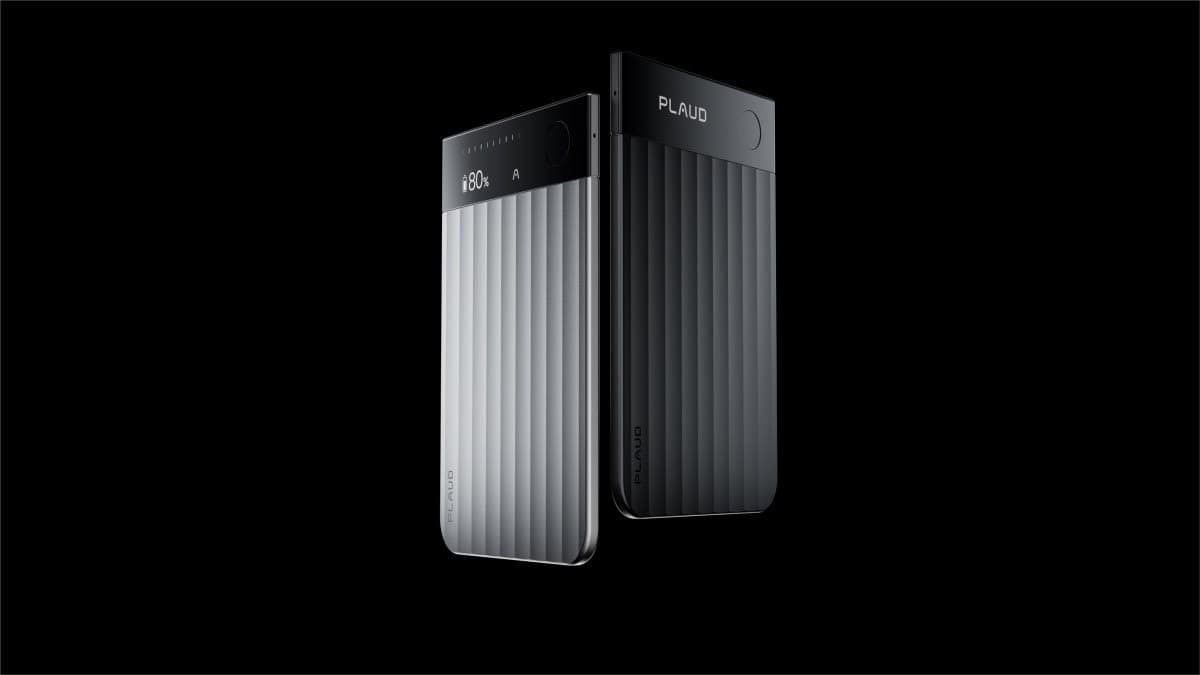
The rapid ascent of hardware-integrated AI solutions is fundamentally altering how we perceive the traditional workspace. Recent market milestones, such as Plaud achieving over $100 million in annual recurring revenue (ARR) on the back of 2 million units shipped, signal a significant shift: businesses are no longer content with software-only AI assistants. They are increasingly gravitating toward specialized hardware that bridges the gap between physical interaction and digital intelligence.
For the modern enterprise, this represents a transition from "passive documentation" to "active synthesis." While general-purpose tools have saturated the market, companies that succeed in this space are those that solve the "friction of input." By placing dedicated AI hardware on a conference table or in a pocket, organizations are effectively outsourcing the cognitive load of meeting management to dedicated, reliable endpoints.
The ROI of Seamless Data Capture
The economic argument for these devices extends far beyond simply having a transcript of a meeting. In a globalized, hybrid work environment, the cost of "lost context"—where critical decisions are made but never logged or integrated into a workflow—is astronomical.
When employees rely on manual note-taking or fragmented software recordings, the information usually sits in a silo. Integrated AI hardware changes this dynamic by:
- Standardizing meeting protocols: Ensuring every voice is captured with high fidelity, regardless of the room’s acoustic environment.
- Automating CRM entry: Reducing the administrative burden on sales and account management teams who often spend hours manually inputting meeting notes into systems like Salesforce or HubSpot.
- Enhancing institutional memory: Transforming transient verbal agreements into searchable, structured data that remains accessible long after the meeting concludes.
From Documentation to Digital Transformation
The broader implication here is the movement toward true digital transformation. Leaders are beginning to realize that the raw output of a meeting is useless if it isn't actionable. The next stage of this evolution involves connecting these note-taking inputs directly to AI agents capable of executing tasks based on the decisions made during a call.
If a device captures a promise to follow up with a proposal, the ideal workflow does not involve a human copy-pasting that note; it involves an agent that automatically drafts the proposal, sets a calendar reminder, and initiates the workflow in the company’s internal project management suite. We are witnessing the birth of a closed-loop system where the hardware acts as the sensor, and the enterprise software stack acts as the executor.
For business leaders, the takeaway is clear: the barrier to entry for AI-driven productivity is falling, but the bar for data quality is rising. Investing in tools that bridge physical collaboration with digital intelligence is no longer a luxury—it is a prerequisite for maintaining operational velocity. Organizations that can successfully integrate these capturing technologies into their existing stack will see immediate gains in productivity and a reduction in manual process overhead.
At AOODAX, we help companies navigate this transition by building custom automation solutions that turn these AI-captured meeting insights into automated internal processes. Whether you need to connect your hardware inputs to a proprietary dashboard or trigger complex workflows, we ensure your tech stack is working as hard as your team.