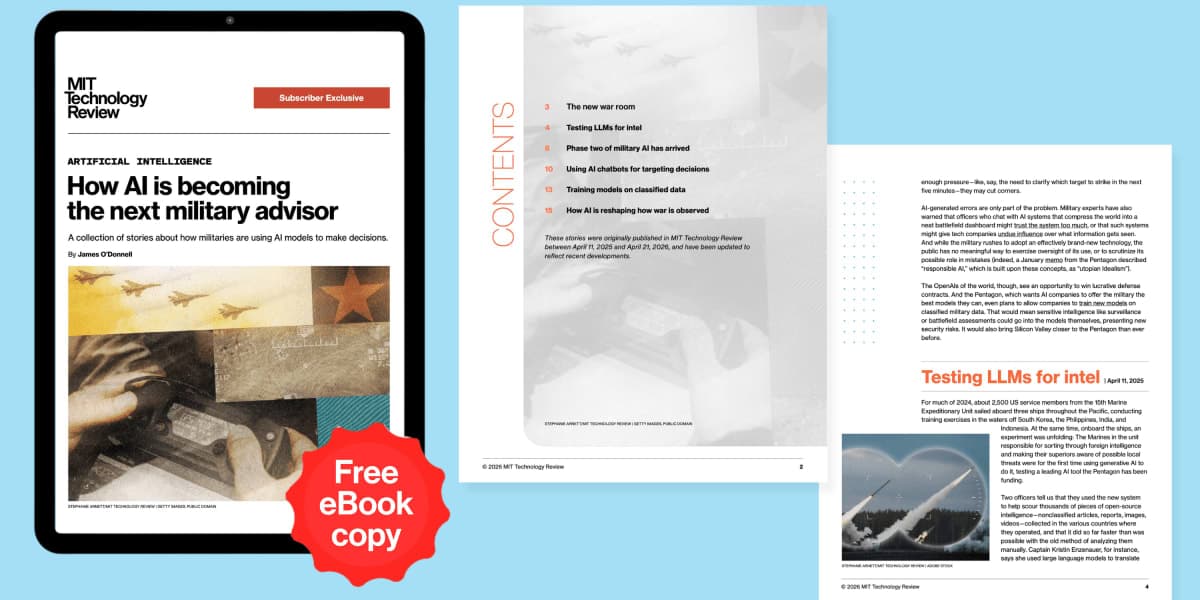
The integration of artificial intelligence into defense strategy is no longer a futuristic concept relegated to science fiction; it is the current reality of global military operations. As we observe the rapid deployment of algorithmic decision-support systems in high-stakes environments, the transition from human-centric command to AI-Augmented Command and Control (AI-C2) provides a critical blueprint for how enterprises should view digital transformation and operational resilience.
From Battlefield to Boardroom: The Precision Paradigm
Modern militaries are increasingly utilizing sophisticated machine learning models to synthesize vast amounts of sensory data, satellite imagery, and logistical reports. These systems act as a "next-generation advisor," processing variables at speeds no human team could match. For business leaders, this represents a fundamental shift in the concept of Decision Intelligence.
Just as a military commander relies on AI to filter noise from signal in a tactical theater, executives are now leveraging similar architectures to navigate market volatility. The core takeaway here is not about replacing human judgment, but about elevating it. Organizations that integrate Predictive Analytics into their operational stack are moving away from reactive management toward a model of anticipatory strategy.
Key parallels between military AI adoption and corporate digital strategy include:
- Data Fusion: Combining disparate data streams into a single source of truth for real-time situational awareness.
- Automated Logistics: Utilizing AI to optimize supply chains, mirroring how militaries manage resource distribution under duress.
- Risk Mitigation: Running complex simulations to forecast potential outcomes before committing capital or personnel.
The ROI of Autonomous Systems
The primary hurdle for many companies is not the absence of data, but the lack of an intelligent interface to act upon it. In the military context, AI agents are designed to reduce "cognitive load" on commanders, allowing them to focus on ethical judgment and long-term objectives.
In the enterprise world, this translates to tangible Return on Investment (ROI). By deploying Autonomous AI Agents to handle routine query resolution or complex data classification, firms can reallocate human capital toward high-value creative and strategic tasks. Furthermore, the adoption of these technologies is no longer an optional "innovation project"—it is becoming the baseline for operational efficiency. Companies that fail to automate their analytical workflows risk a "decision lag" that leaves them vulnerable to more agile, data-driven competitors.
Strategic Implementation for Future Readiness
For business leaders looking to integrate these lessons, the roadmap is clear. Start by identifying the "fog of war" in your own operations—the areas where your team is overwhelmed by data volume or bottlenecked by manual processing. Adopting a structured approach to Digital Transformation requires more than just buying software; it requires a cultural shift toward algorithmic trust.
- Audit your data quality: Ensure your underlying data architecture is clean enough to support autonomous decisioning.
- Prioritize modular integration: Start with specific workflows rather than a total organizational overhaul.
- Maintain the human-in-the-loop: Ensure that AI serves as a high-fidelity advisor to your management team, keeping human oversight at the center of critical decisions.
As this technology matures, the gap between organizations that utilize AI as a strategic advisor and those that rely on legacy manual processes will only widen. At AOODAX, we specialize in bridge-building, helping enterprises design and deploy custom AI agents that transform raw data into actionable, high-speed decision support.